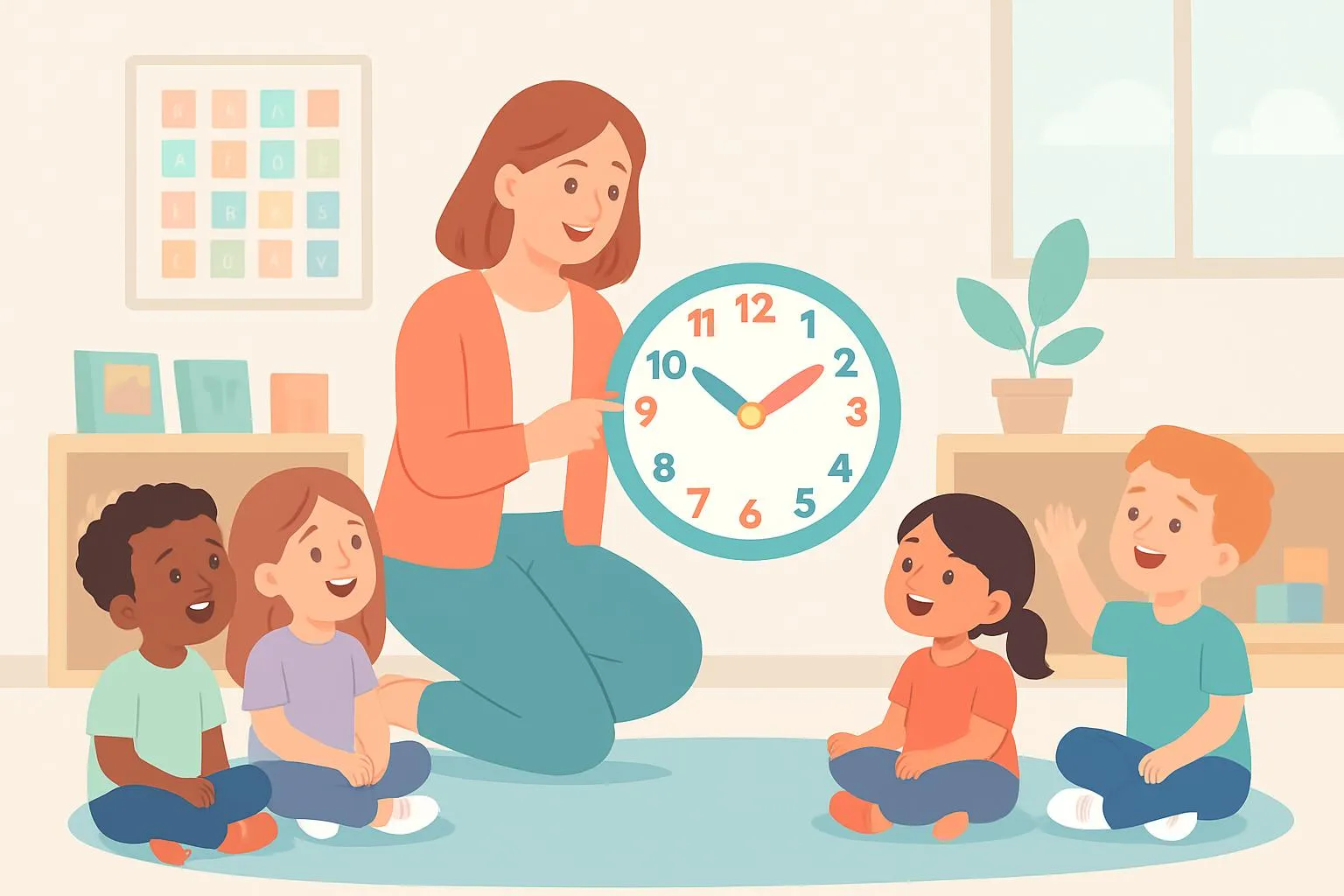
Why Teaching Time to First Graders Matters
Learning to tell time is a fundamental life skill that first graders need to develop. It helps children understand daily routines, develop time management skills, and builds a foundation for more advanced mathematical concepts. As educators and parents, we have the opportunity to make this learning journey both effective and enjoyable.
First graders are at the perfect developmental stage to begin understanding time concepts. Their growing ability to recognize numbers and understand sequences makes this an ideal time to introduce clock reading skills.
Understanding First Grade Readiness
Before diving into clock reading, it's important to assess whether your first grader has the prerequisite skills:
- Number Recognition: Can identify numbers 1-12 confidently
- Counting Skills: Can count by ones and fives up to 60
- Sequencing: Understands the concept of "before" and "after"
- Basic Addition: Can perform simple addition within 20
If your student has mastered these skills, they're ready to begin their time-telling journey!
Step-by-Step Teaching Approach
Step 1: Introduce the Clock Face
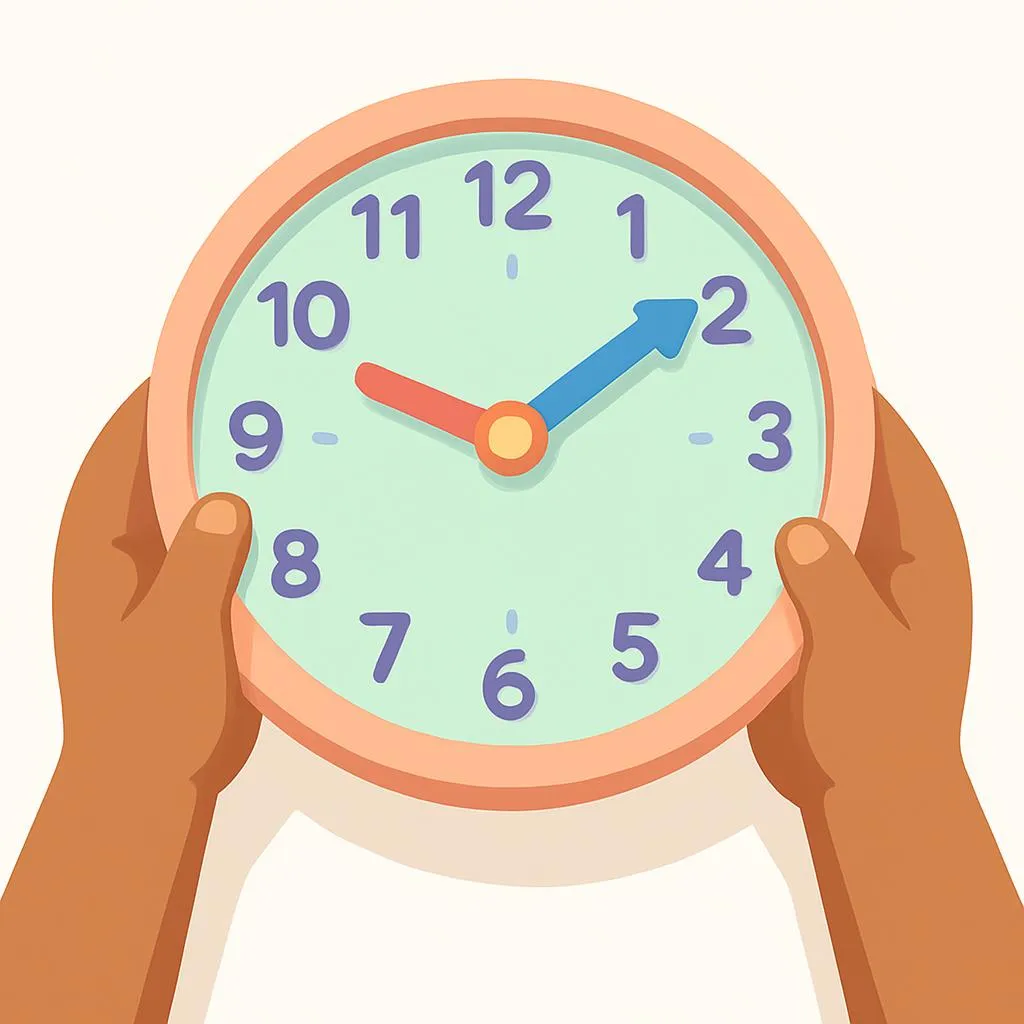
Start by familiarizing students with the analog clock. Use a large demonstration clock and point out:
- The 12 numbers around the clock face
- The two hands (hour hand and minute hand)
- The difference in size between the hands
- The direction the hands move (clockwise)
Activity Tip: Create a human clock! Have 12 students stand in a circle holding number cards, while two students act as the hour and minute hands.
Step 2: Master the Hour Hand
Begin with whole hours only. This simplifies the concept and builds confidence:
- Explain that the short hand points to the hour
- Practice reading times like 1:00, 2:00, 3:00
- Use phrases like "It's 3 o'clock" to reinforce understanding
- Connect times to daily activities (lunch at 12:00, bedtime at 8:00)
Practice Strategy: Use our free clock worksheet generator to create worksheets showing only whole hours. Start with 5-10 clocks per page.
Step 3: Introduce the Minute Hand
Once students are comfortable with hours, introduce the minute hand:
- Explain that the long hand shows minutes
- Start with half hours (30 minutes)
- Show that when the minute hand points to 6, it's "half past" or "thirty"
- Practice reading times like 1:30, 2:30, 3:30
Step 4: Practice with Quarter Hours
After mastering hours and half hours, introduce quarter hours:
- Quarter past (15 minutes) - minute hand points to 3
- Quarter to (45 minutes) - minute hand points to 9
- Use visual aids showing the clock divided into quarters
Engaging Activities for First Graders
1. Daily Schedule Clock
Create a visual schedule using clock faces showing important times in the school day. Students can match activities to the correct time.
2. Clock Bingo
Create bingo cards with different times. Call out times and have students mark the corresponding clock face on their card.
3. Time Matching Game
Create pairs of cards - one with a clock face and one with the written time. Students match the pairs.
4. Build Your Own Clock
Provide paper plates, brass fasteners, and construction paper to let students create their own working clocks. This hands-on activity reinforces understanding of clock mechanics.
5. Story Time Clocks
Read books about time and clocks. Some excellent choices include "The Grouchy Ladybug" by Eric Carle and "What Time Is It, Mr. Crocodile?" by Judy Sierra.
Common Challenges and Solutions
Challenge: Confusing the Hour and Minute Hands
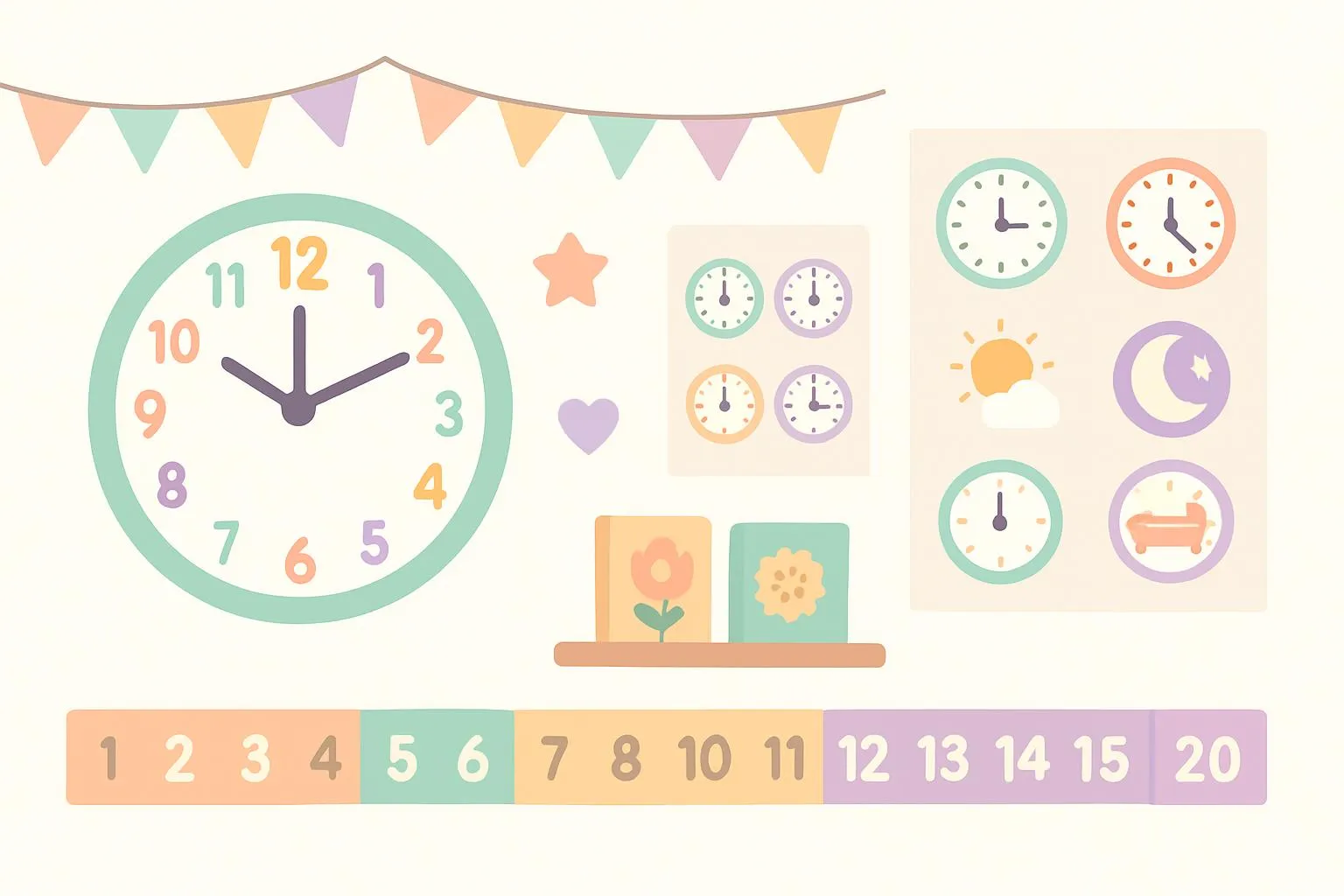
Solution: Use color coding! Make the hour hand blue and minute hand red. Create a rhyme: "The short hand is slow, it shows the hour we know."
Challenge: Difficulty with the Minute Hand
Solution: Start by teaching counting by fives. Place numbers 5, 10, 15, 20, etc. around the clock face to help students see the five-minute intervals.
Challenge: Understanding "Past" and "To"
Solution: Use a visual aid dividing the clock in half. The right side is "past" the hour, the left side is "to" the next hour.
Assessment Strategies
Regular assessment helps track progress and identify areas needing more practice:
- Verbal Assessment: Show a clock and ask "What time is it?"
- Drawing Assessment: Say a time and have students draw it on a blank clock face
- Real-World Application: Ask students to identify times during the school day
- Worksheet Practice: Use our clock worksheet generator to create customized assessments
Tips for Parents Supporting at Home
Parents play a crucial role in reinforcing time-telling skills:
- Point out clocks throughout the day and ask "What time is it?"
- Use time language naturally: "We'll leave in 15 minutes" or "Dinner is at 6:30"
- Practice with a toy clock during homework time
- Make it fun with time-based games and challenges
- Print free worksheets from our generator for extra practice
Progression Timeline
Here's a typical progression for first graders learning to tell time:
- Weeks 1-2: Introduction to clock face and hour hand (whole hours)
- Weeks 3-4: Mastering whole hours with confidence
- Weeks 5-6: Introduction to half hours
- Weeks 7-8: Practice with hours and half hours combined
- Weeks 9-10: Introduction to quarter hours (optional for advanced students)
Differentiation Strategies
For Struggling Learners:
- Focus on whole hours for an extended period
- Use larger, simpler clock faces
- Provide one-on-one practice time
- Use multisensory approaches (tactile clocks, movement activities)
For Advanced Learners:
- Introduce five-minute intervals earlier
- Challenge with elapsed time problems
- Introduce digital clock reading
- Explore time zones and international time concepts
Conclusion
Teaching time to first graders is a rewarding experience that builds essential life skills. By following a structured approach, using engaging activities, and providing plenty of practice opportunities, you can help your students master this important concept. Remember to be patient, celebrate small victories, and make learning fun!
Recommended Reading
- 1st Grade Clock Worksheets: Complete Teaching Guide
- 10 Fun Clock Games for Kids
- Parent's Guide to Teaching Time at Home
- 📖 Complete Teaching Guide: How to Teach Children to Tell Time
Ready to create custom worksheets for your first graders? Try our free clock worksheet generator to create perfectly tailored practice materials in seconds!